Fibre reinforced concrete contains short filaments of steel, plastic or glass that are distributed through the whole mix during batching. The fibres do not make the concrete stronger in compression: what they change is how it cracks and how it behaves once it has cracked.
Chosen well, they prevent early-age cracking, give toughness to ground-bearing slabs and precast units and, in many cases, allow the steel mesh to be left out. Chosen badly, they add cost and nothing else. This guide covers the types of fibre, typical dosages and where each one makes sense.
What fibres do
Fibres work at two different stages in the life of concrete:
- In the first few hours, while the concrete is still weak, the surface loses water and shrinks. Microfibres stitch that layer together and reduce plastic shrinkage cracking.
- Once the concrete has hardened and a crack appears, macrofibres and steel fibres bridge it and keep transferring load. This is known as residual strength or toughness: the element does not suddenly break in two.
There is a third, more specific use: polypropylene microfibres melt in a fire and leave channels through which steam can escape, which reduces explosive spalling of concrete in tunnels and structures exposed to fire.
Types of fibre and dosage
| Fibre | Standard | Typical dosage | Role | Typical uses |
|---|---|---|---|---|
| Steel | EN 14889-1 | 20–40 kg/m³ | Structural: high residual strength | Industrial floors, precast, sprayed concrete in tunnels |
| Macro synthetic (polypropylene, polyolefin) | EN 14889-2, class II | 2–6 kg/m³ | Structural or semi-structural; does not rust | Ground-bearing slabs, sprayed concrete, precast, marine works |
| Polypropylene microfibre | EN 14889-2, class I | ≈ 0.6–1 kg/m³ | Plastic shrinkage; fire protection | Slabs, mortars, screeds, tunnels |
| Alkali-resistant (AR) glass | EN 15422 | Depends on the system | Reinforcement of thin elements | GRC: cladding panels and decorative precast |
| PVA (polyvinyl alcohol) | EN 14889-2 | Depends on the system | Very good bond with the matrix | Specialist mortars, precast, ductile concretes |
Indicative market ranges. The dosage for each project is set by the fibre manufacturer and the designer.
The difference between micro and macro is not just a matter of size: EN 14889-2 separates fibres under 0.30 mm in diameter (class I, microfibres) from those over 0.30 mm (class II, macrofibres), and only the latter are considered for structural use.
Glass fibre reinforced concrete (GRC)
Glass fibre reinforced concrete, known in the UK as GRC and elsewhere as GFRC, is a different material from the fibre concrete used in slabs. It is a fine cement and sand mortar, with no coarse aggregate, reinforced with alkali-resistant glass fibres, and it is used to make thin, lightweight elements: cladding panels, window surrounds, cornices, column casings, street furniture and decorative pieces.
- The fibre must be AR glass. It contains zirconia, which protects it from the alkalinity of the cement paste; ordinary glass fibre would be attacked and lose its strength. EN 15422 covers these fibres.
- Two main production methods. In the spray process, the mortar and chopped fibres are sprayed into the mould together, layer by layer; in premix, the fibres are mixed into the mortar, which is then cast or vibrated into the mould. Spraying allows higher fibre contents and strengths.
- Thin sections. Panel skins are typically only 10–15 mm thick, so a GRC cladding panel weighs a fraction of a precast concrete panel of the same size. Large panels are usually fixed to the building on a steel stud frame.
GRC should not be confused with GFRP rebar: glass fibre in a resin matrix, made into continuous bars that replace steel reinforcement in structural concrete.
Can fibres replace mesh?
This is the most common question, and the answer depends on the element:
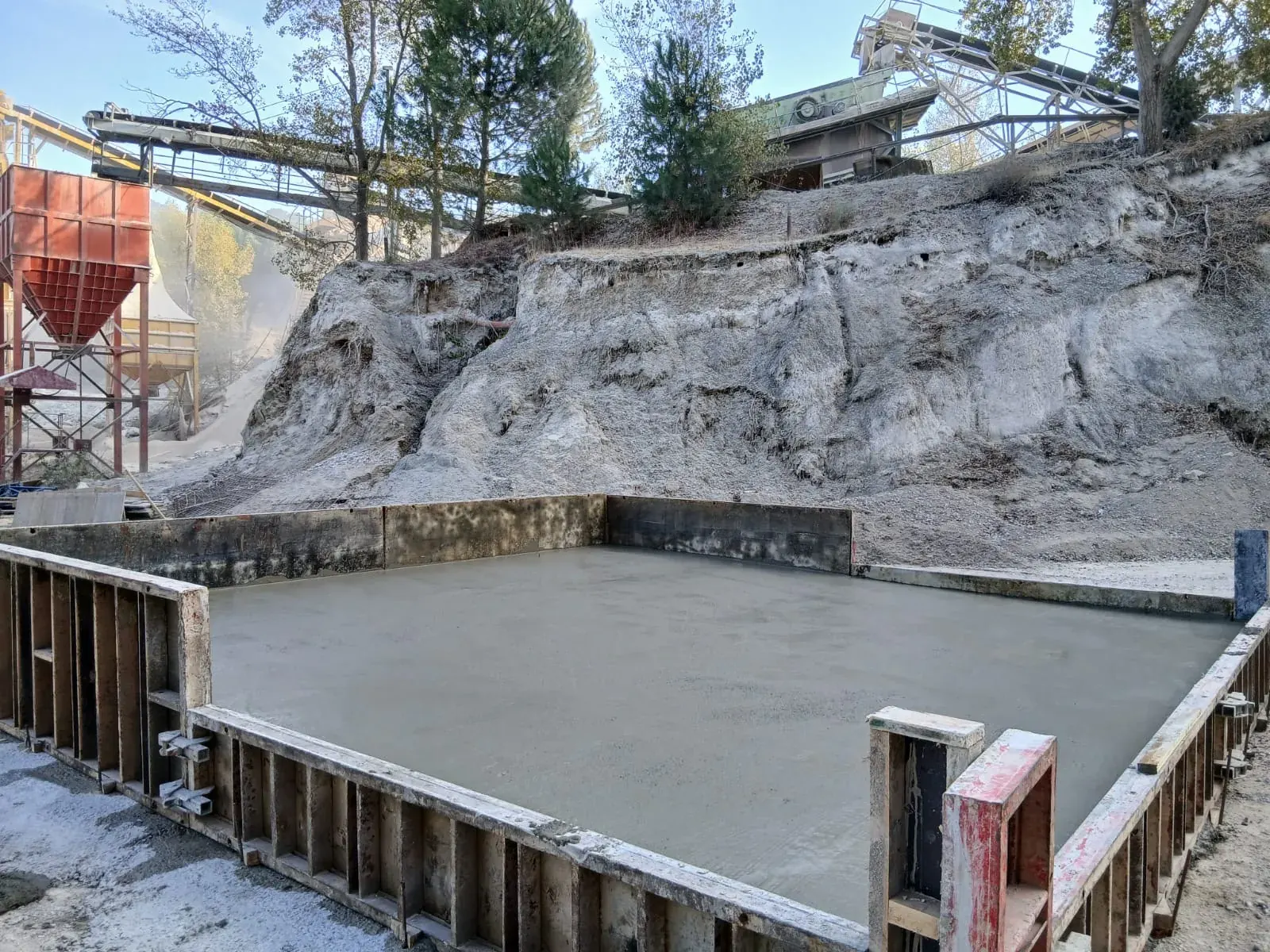
- Ground-bearing slabs. In many cases, yes. The mesh in a slab is usually there to control cracking from shrinkage and temperature changes, and steel fibres or macrofibres do that well, with the advantage that they are spread through the whole depth and nothing has to be placed or supported on spacers. In the UK, fibre-reinforced industrial ground floors are commonly designed to Concrete Society Technical Report 34 (TR34).
- Structural elements. Only with a specific design of the fibre reinforced concrete, based on its residual flexural tensile strength (EN 14651). The new generation of Eurocode 2 includes an informative annex for steel fibre reinforced concrete.
- Where the design requires reinforcement, fibres do not replace it. If the problem with that reinforcement is corrosion, the answer is not to remove it but to change the material: GFRP reinforcement does not rust (we explain it in GFRP rebar vs steel).
Placing fibre concrete
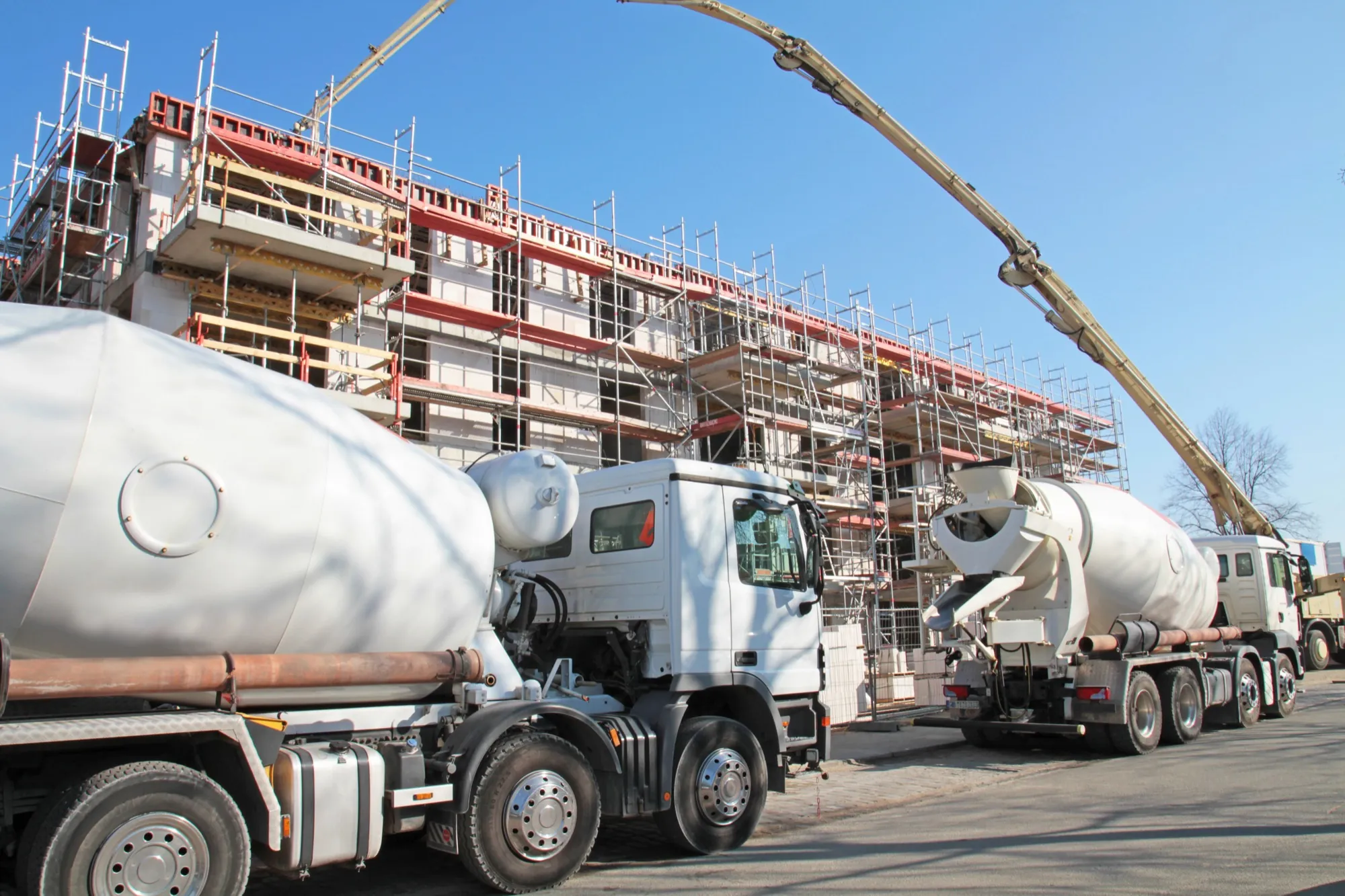
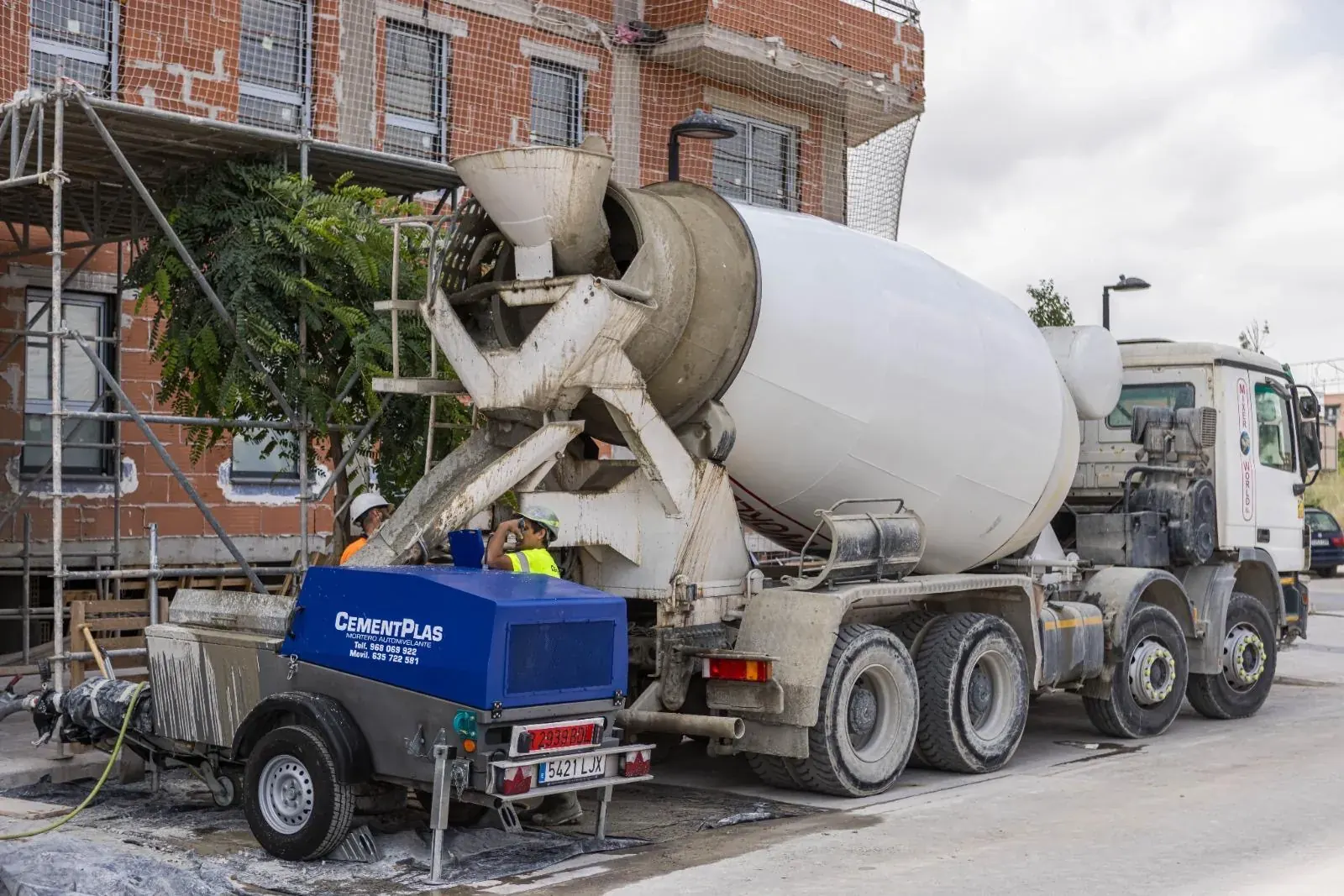
- When to add the fibres: at the batching plant or into the truck mixer before discharge, with enough mixing time for them to disperse evenly.
- Balling: steel fibres added all at once can form balls. They are added gradually or supplied in glued bundles that separate during mixing.
- Workability: fibres reduce workability. Make up for it with superplasticiser, never with water (see the types of concrete admixtures).
- Finishing: on power-floated slabs, a good mechanical finish stops fibres sticking out of the surface.
- Curing: fibres reduce shrinkage cracking but do not replace curing.
Fibres and graphene: each in its place
Fibres act once the concrete has cracked; graphene acts earlier, in the matrix. In SmartADDITIVES admixtures, graphene takes part in cement hydration and densifies the paste, which gives more strength with less water. The two are complementary: a denser matrix, and fibres to bridge any cracks that still appear.
That is why the range includes Solid FIBER, with PVA fibres, macrofibres and microfibres to reduce or replace reinforcement, compatible with all the admixtures in the range.