
What to know before you choose a material.
Guides written by our technical department on fibreglass reinforcement, concrete admixtures and underfloor heating: with data, standards and what changes on site.
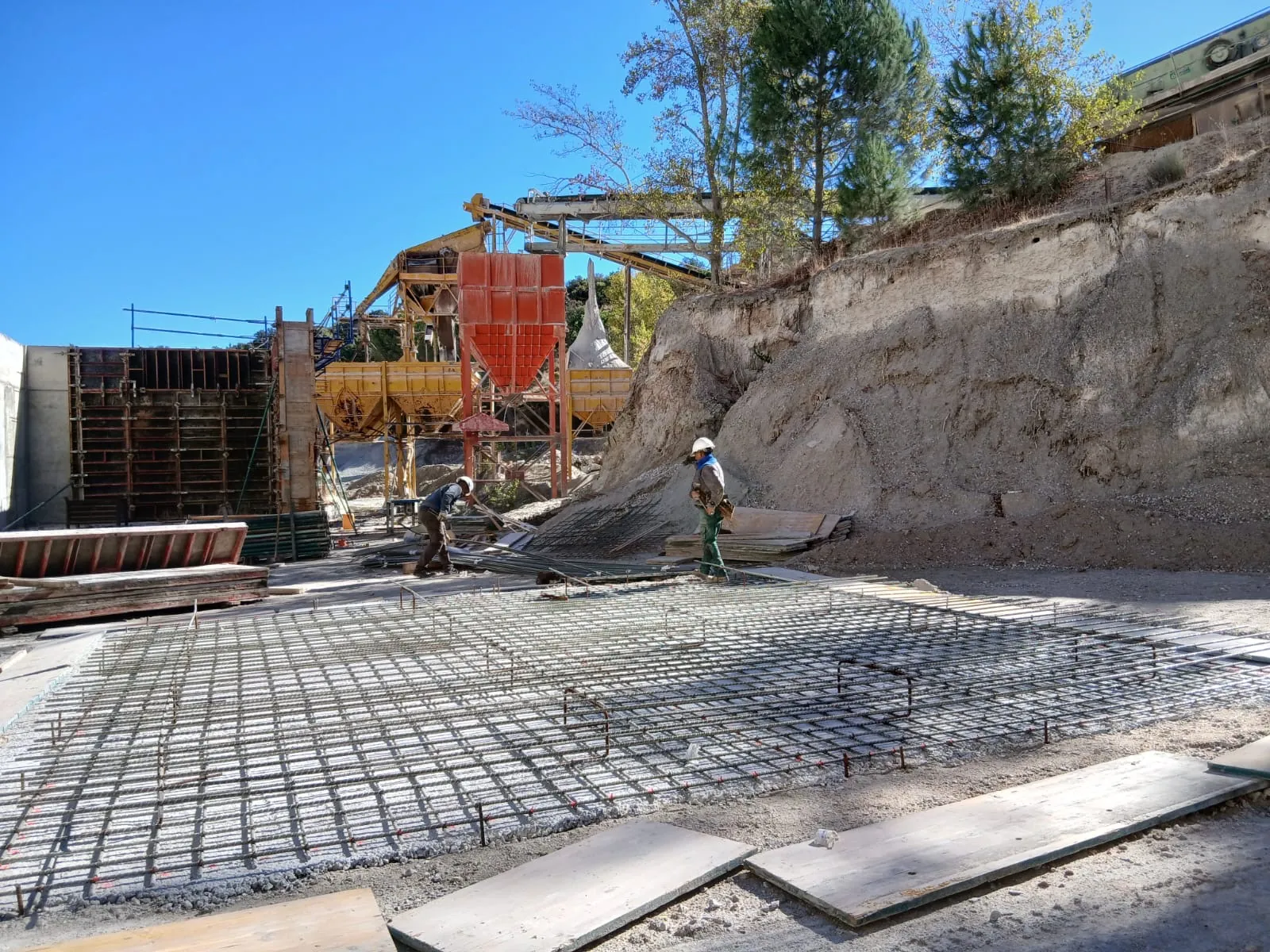
GFRP rebar vs steel: what changes on site
Ribbed GFRP rebar weighs a quarter of what steel does, does not rust and has a higher tensile strength. It is also less stiff and cannot be bent on site. What to know before you change the reinforcement.
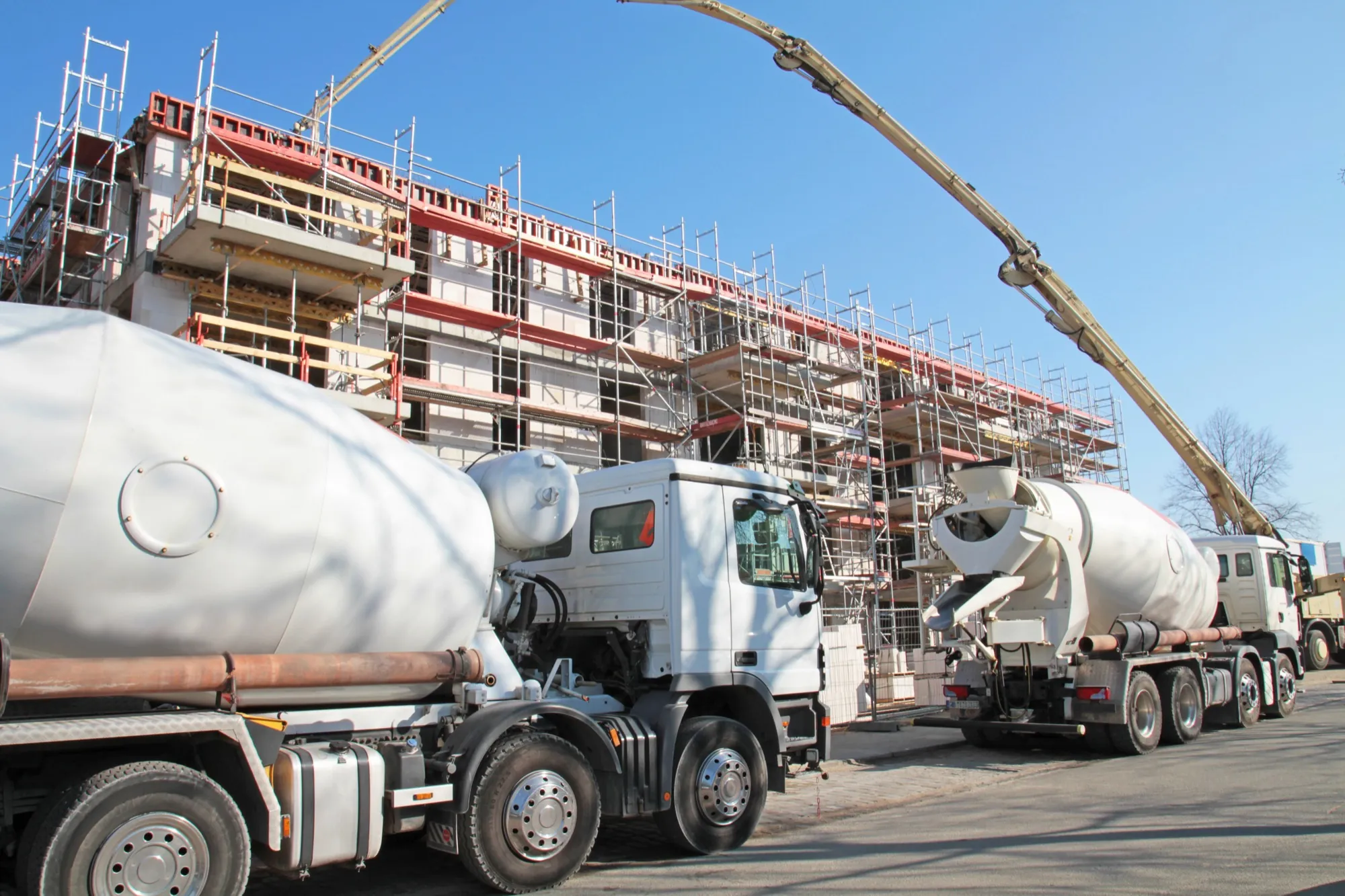
Concrete admixtures: types, what each one does and how to choose
Plasticisers, superplasticisers, accelerators, retarders, air entrainers, waterproofing admixtures… What each family does under EN 934-2, how to choose one for the job and what graphene-based admixtures add.
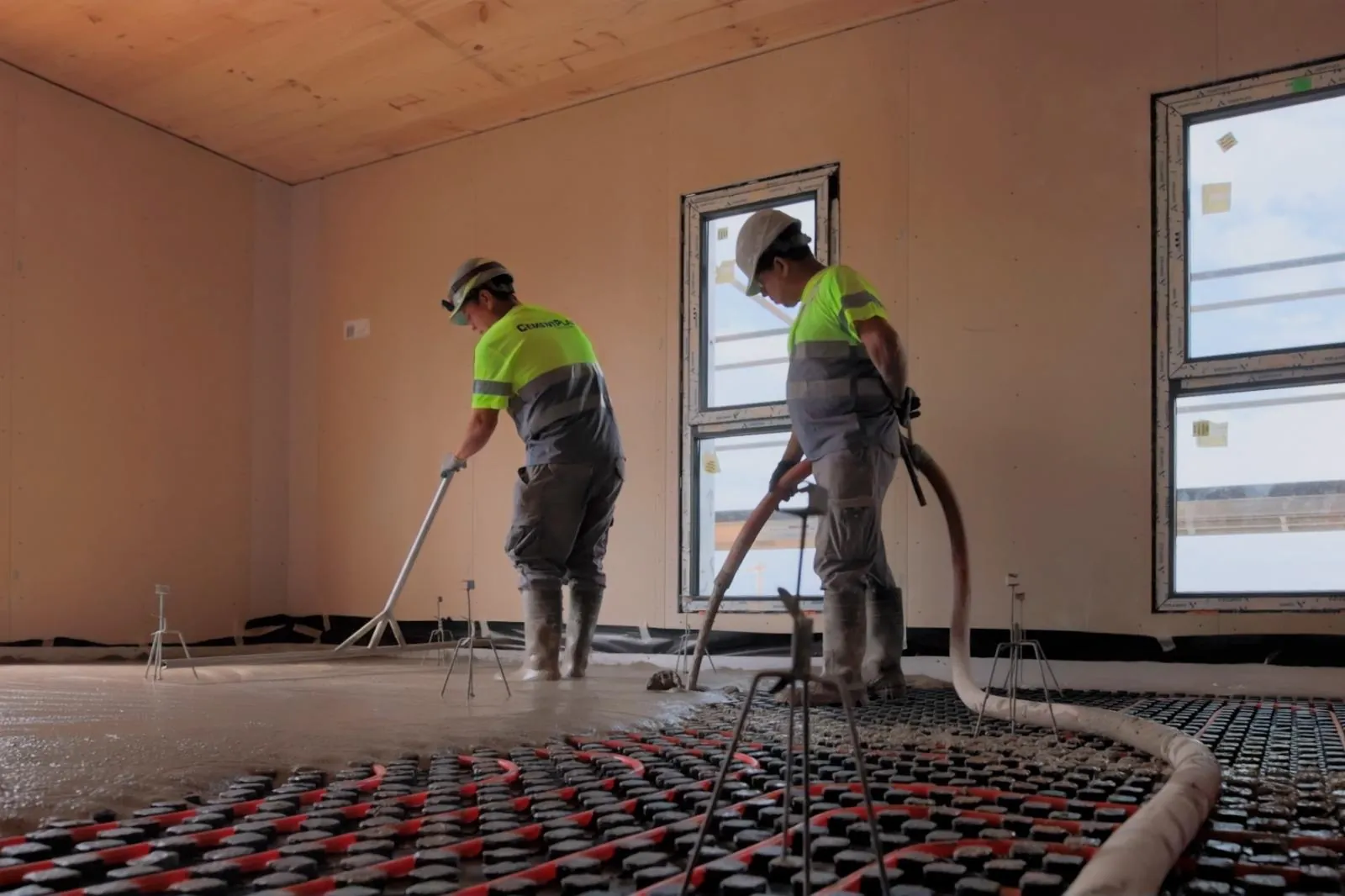
Screed for underfloor heating: types, depth and thermal conductivity
The screed that covers the pipes decides how much heat reaches the floor and how quickly it gets there. We compare the types of screed, the usual depth, the conductivity of each and the installation steps.

Concrete setting: what it is, its stages and what speeds it up or slows it down
Concrete doesn’t set because it dries out: it sets because the cement reacts with water. What setting means, how it differs from curing, how setting time is measured, what changes it and which site mistakes spoil it.
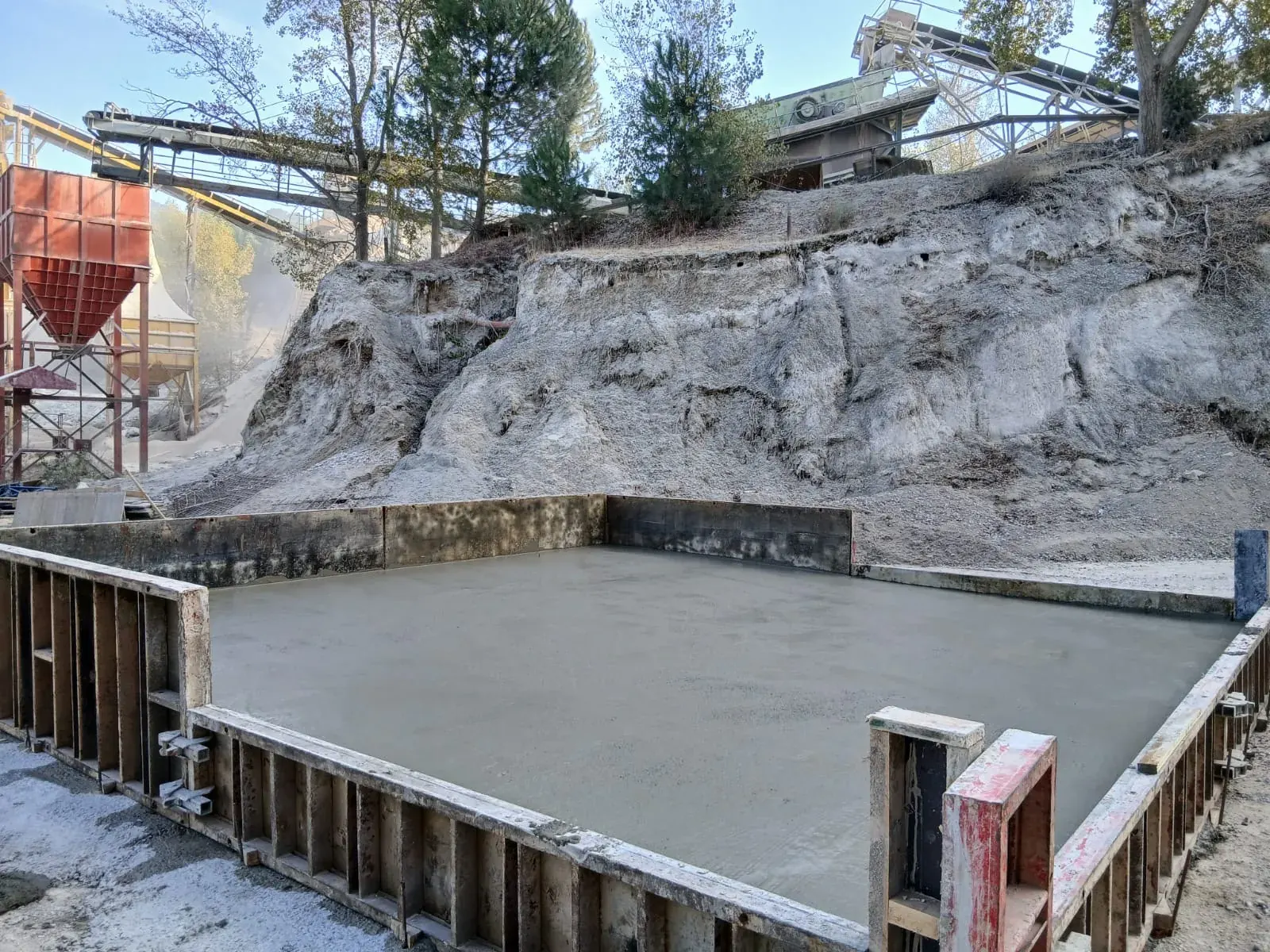
How long does concrete take to cure? Hours, days and weeks
A few hours to set, a day or two before you can walk on it, four weeks to reach design strength. Typical timings, what changes them and how to shorten them without harming the concrete.
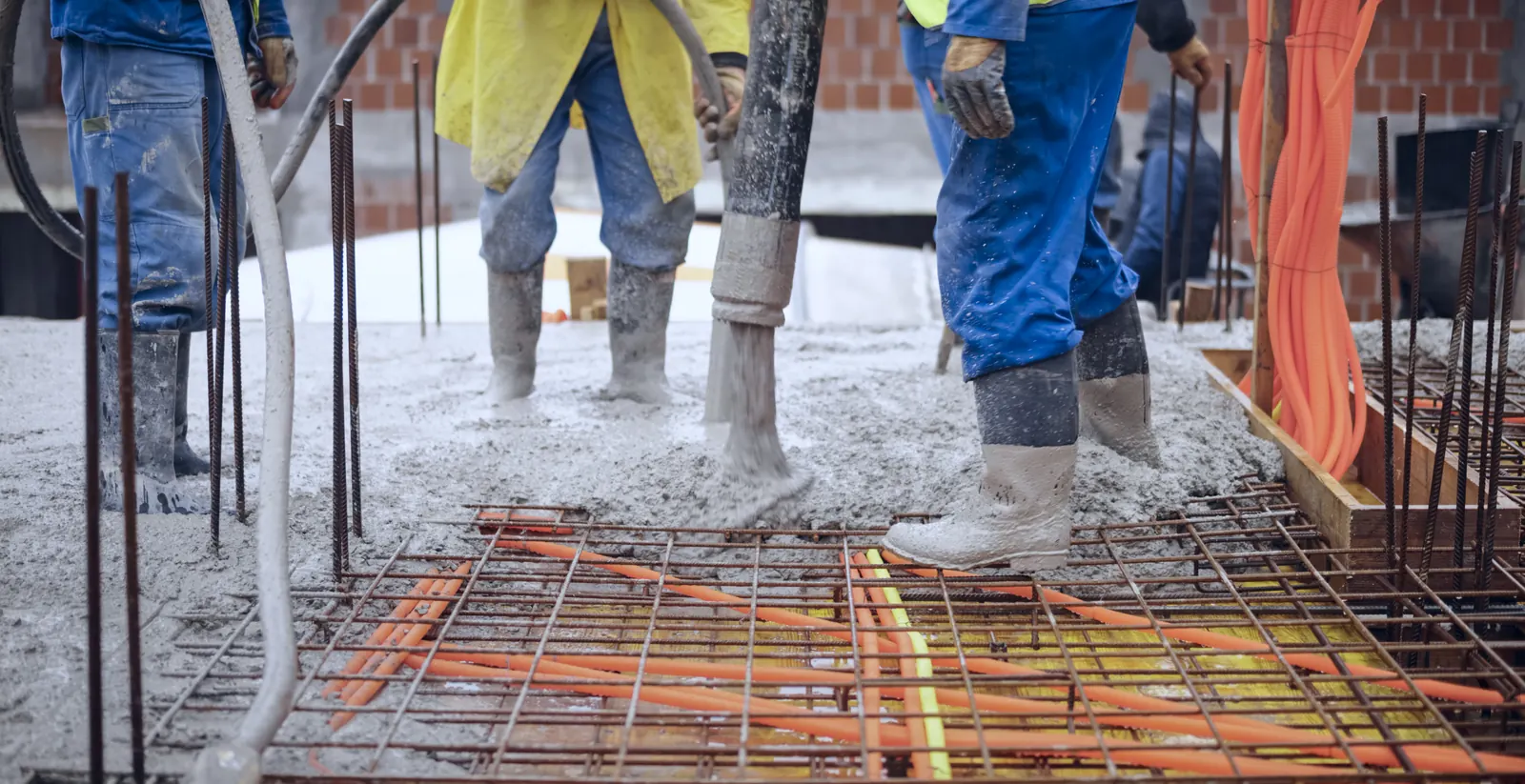
Concrete compressive strength: what C25/30 means, how it is tested and how to raise it
What the two numbers in C25/30 mean, how cubes and cylinders are tested, how much strength concrete should have at 7 days and what raises or lowers it. With a table of EN 206 strength classes.
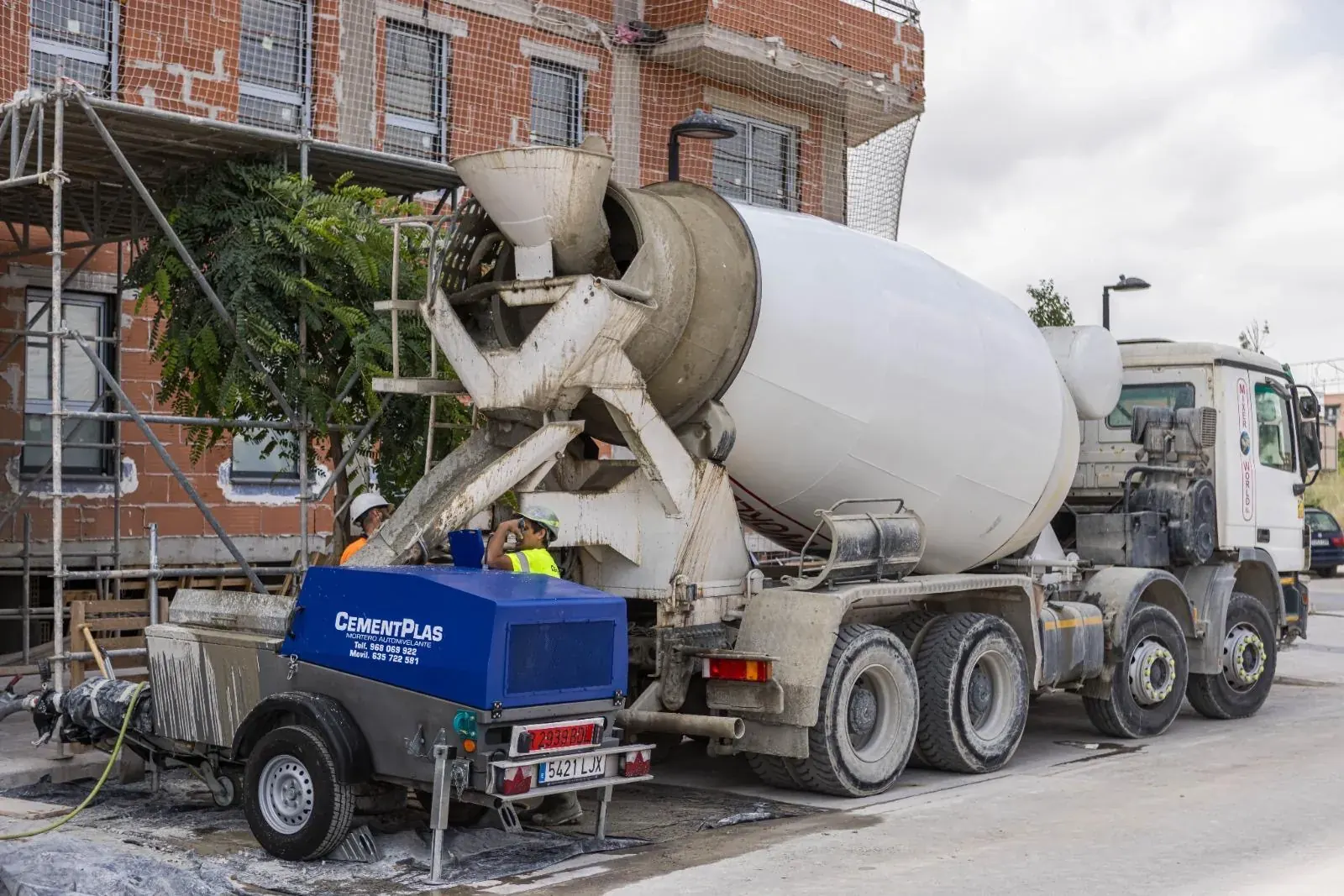
Fibre reinforced concrete: types of fibre, dosages and when they replace mesh
Fibres do not make concrete stronger in compression: they control cracking and give it toughness. The types available, how much of each goes into a cubic metre, what GRC is and when fibres can replace steel mesh.
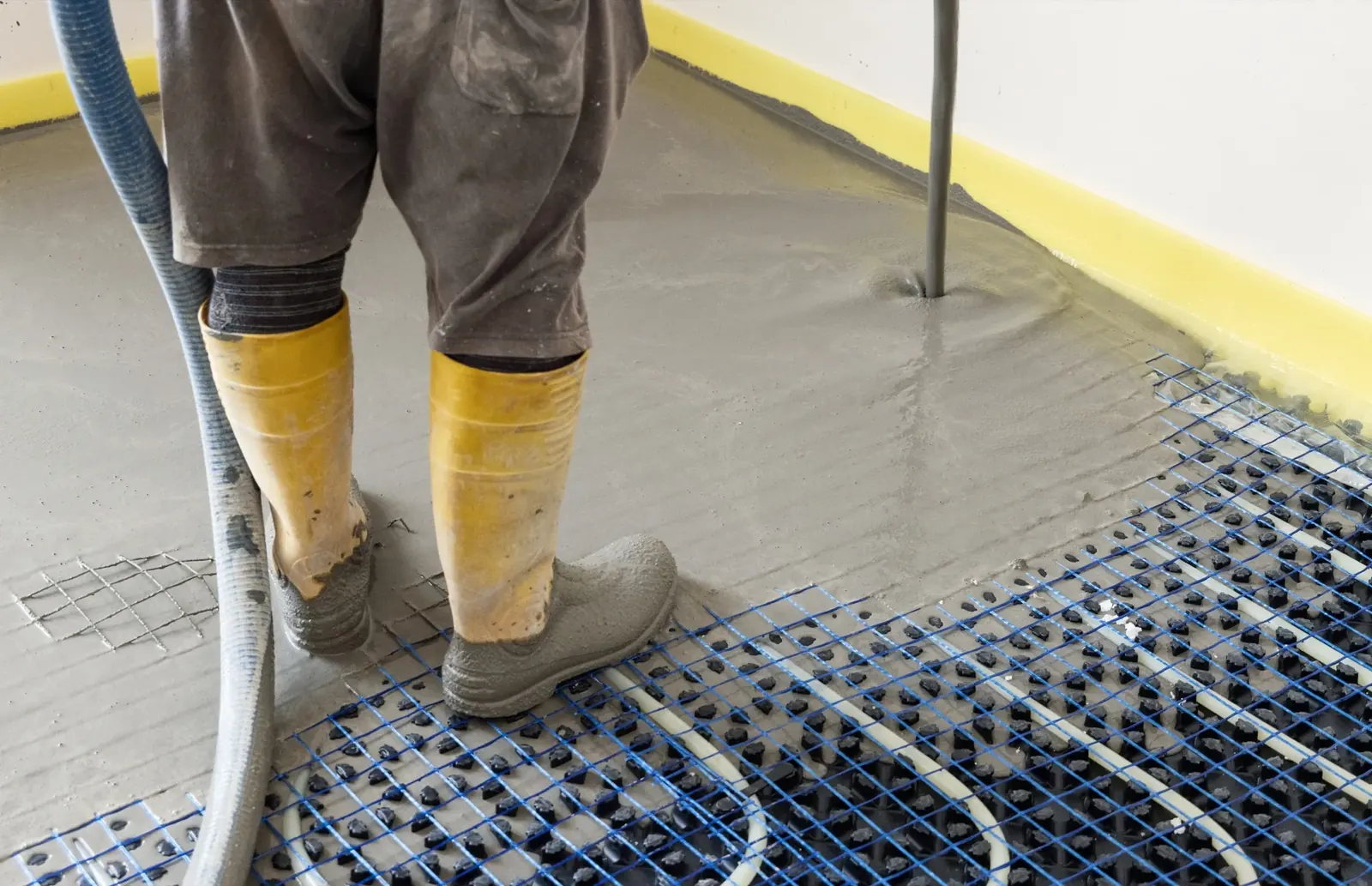
Types of mortar in construction: which one to use and where
Cement, lime, gypsum, anhydrite or resin; for laying bricks, rendering walls, screeding floors or fixing tiles. How mortars are classified, what the codes on the bag mean and how the UK mix designations fit in.

What is cement clinker, and why is the industry trying to use less of it?
Clinker is the heart of cement and also its largest source of CO₂, because much of that CO₂ comes from the limestone itself. How clinker is made, which cements contain less of it and how to reduce the cement in each cubic metre.

Rebar corrosion in concrete: causes, symptoms and prevention
Corrosion of the steel is the leading cause of deterioration in reinforced concrete. Why it happens when concrete is supposed to protect the steel, what the symptoms are, how it is repaired and how to design it out from the start.

Conductive concrete: what it is, how it is made and what it is used for
“Conductive concrete” can mean two things: concrete that conducts electricity, or concrete that conducts heat well. How each is achieved, what it is used for and how far the technology has come.
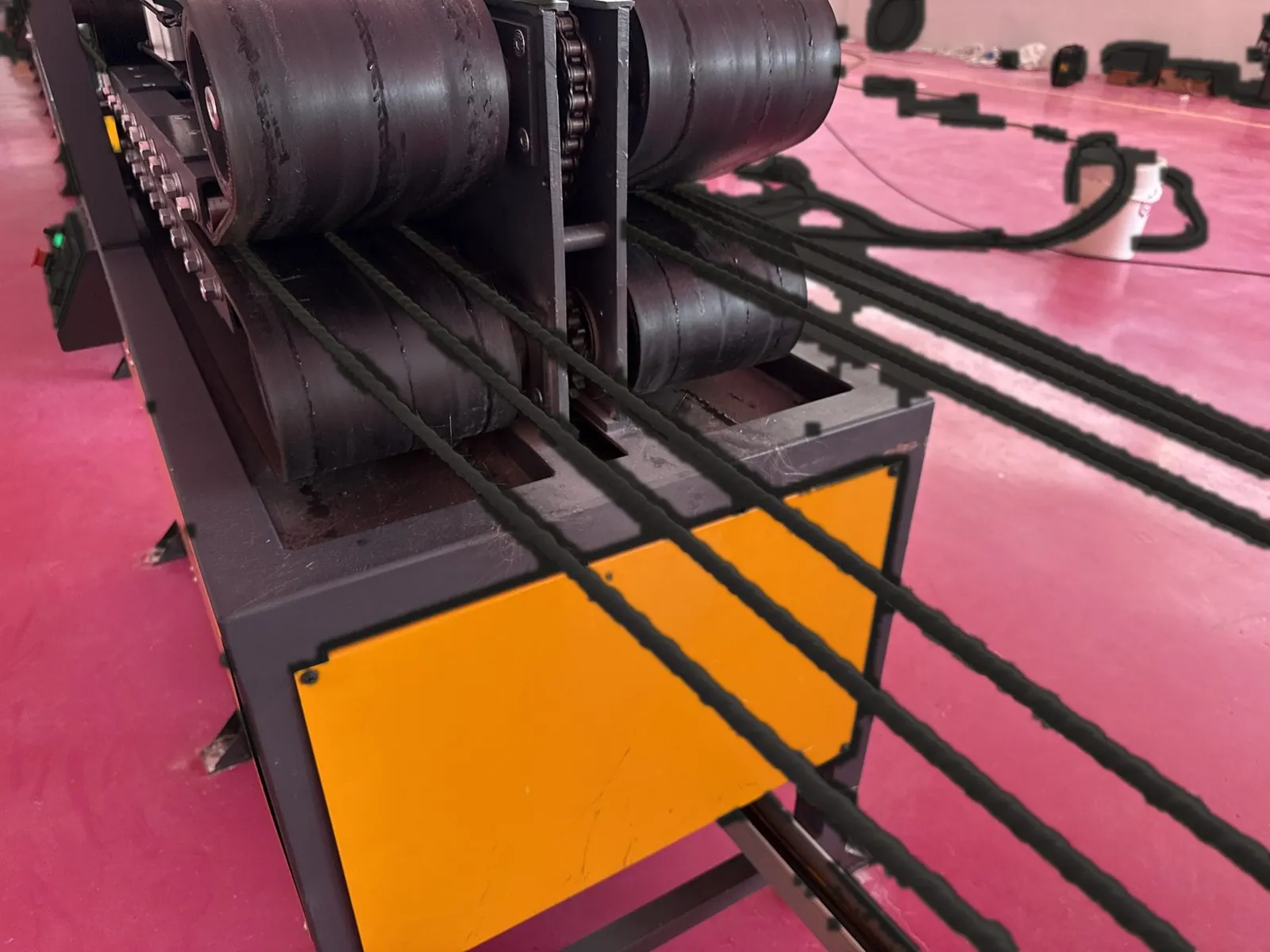
CE marking of GFRP rebar: the EAD, the ETA and the DoP explained
Glass fibre bars have no harmonised standard, so their CE marking goes through a European Technical Assessment. What each document is, the order in which they come and what to check before you specify.