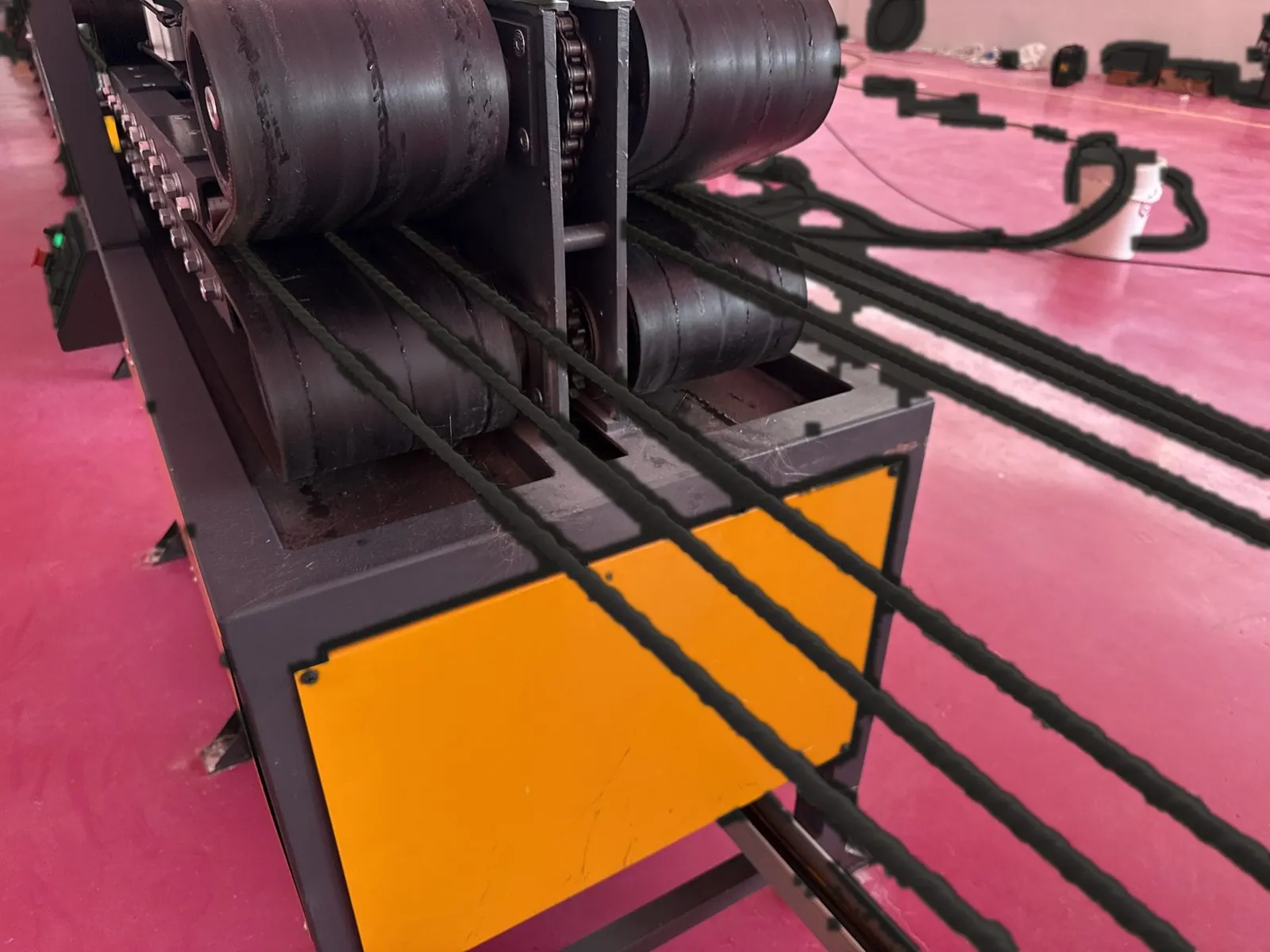
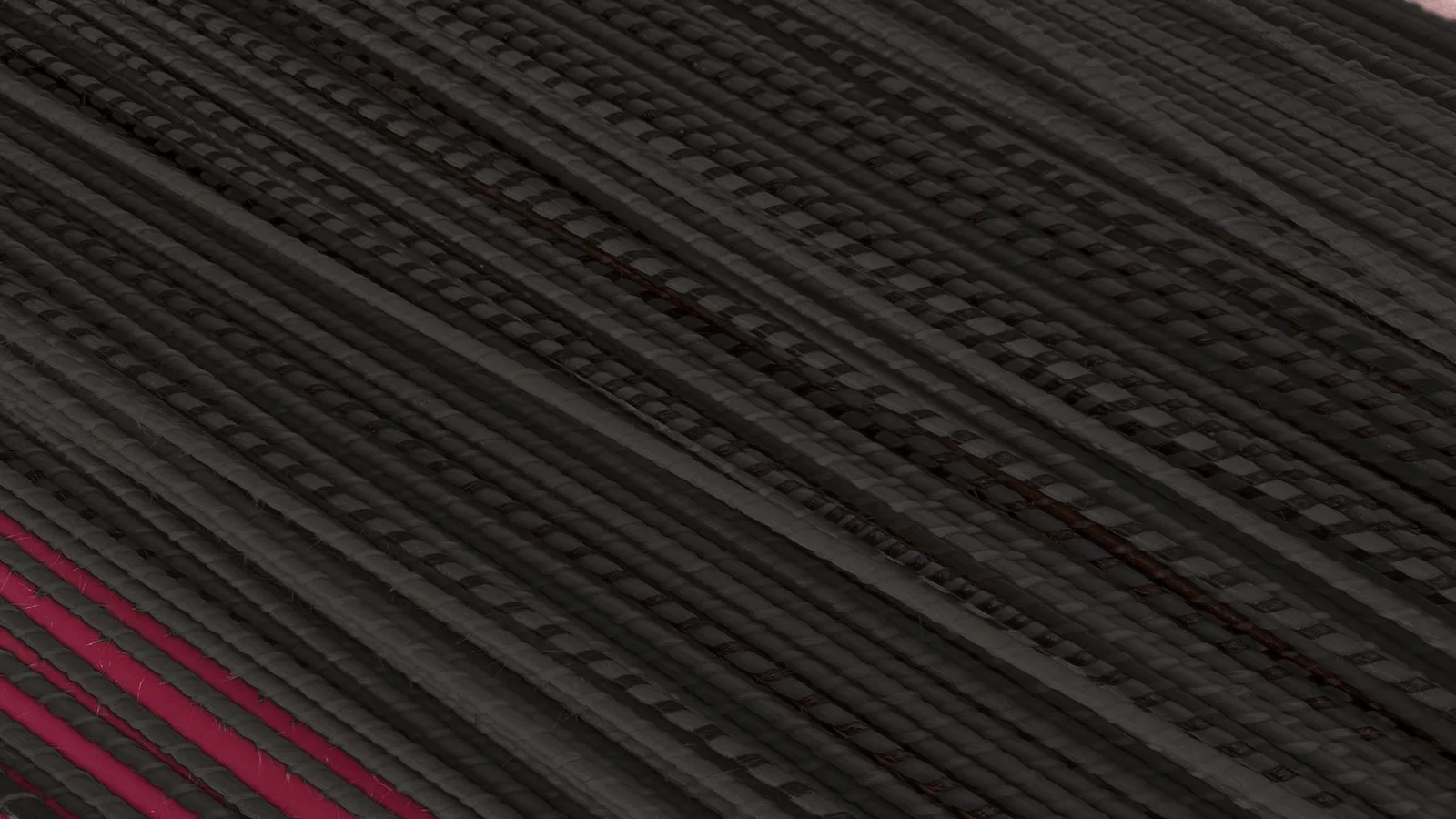
Yecla (Murcia, Spain), November 2026. Almost every building has steel bars inside it. They are the skeleton that holds up beams, columns and floor slabs. A factory in Yecla has won Europe’s approval for an alternative that does not rust and weighs 75% less: GraphenBar, a ribbed glass fibre and graphene rebar that has just obtained CE marking, the passport a construction product needs to be sold throughout the European Union.
A milestone for Spanish industry
The bar is made in Yecla by Graphenano SmartMaterials, which also produces there the graphene resin it is made with. To get here it has passed the most demanding test European rules provide for: an authorised European technical institute, TSÚS in Bratislava (Slovakia), has assessed it, inspected the factory and will keep monitoring its production. From now on, engineers in any EU country can include it in their designs with an official European document.
Key points
And it is made in Spain: produced in Yecla (Murcia) and now ready to be sold across Europe.
Rust, a costly enemy
The problem it solves can be seen in any city: balconies with spalled concrete, cracked façades, car parks, bridges and seafronts in need of repair. Rust is often behind it. The steel inside rusts with damp and salt, swells, cracks the concrete and makes it break away. It is one of the main causes of deterioration in concrete structures, and the bill is huge: corrosion as a whole costs the world economy around 2.5 trillion dollars a year, 3.4% of global GDP, according to the IMPACT study by the international association NACE (2016). We explain it in more detail in Rebar corrosion in concrete.
Cheaper to move, to install and to maintain
Transport. Diameter for diameter, the new bar weighs a quarter of a steel one. A truck that carries some 28 kilometres of 12 mm steel bar can load more than 100 kilometres of the new bar of the same diameter.
Site work. Operatives move and place it by hand, with less need for the crane. In the refurbishment of old buildings, where materials are often carried up the stairs, that makes a big difference.
Maintenance. Because it does not rust, there are no rusted bars to repair and no need for expensive solutions such as stainless steel on the coast or in ports.
Fewer trucks, less CO2
That lower weight also shows in the air. Taking 100 kilometres of 12 mm bar to a site takes four trucks if it is steel; with the new bar, one is enough. That is three fewer trips and, over the same distance, roughly three quarters less diesel and CO2 in transport. The further away the site, the bigger the saving.
And the saving continues throughout the life of the building. Repairing a structure damaged by rust means breaking out and replacing concrete and steel, two materials whose production emits a lot of CO2: cement accounts for around 8% of global CO2 emissions, according to the British think tank Chatham House, and steel for 7 to 8% of the planet’s greenhouse gases, according to the World Steel Association. A bar that does not rust avoids those repairs and the emissions they bring.
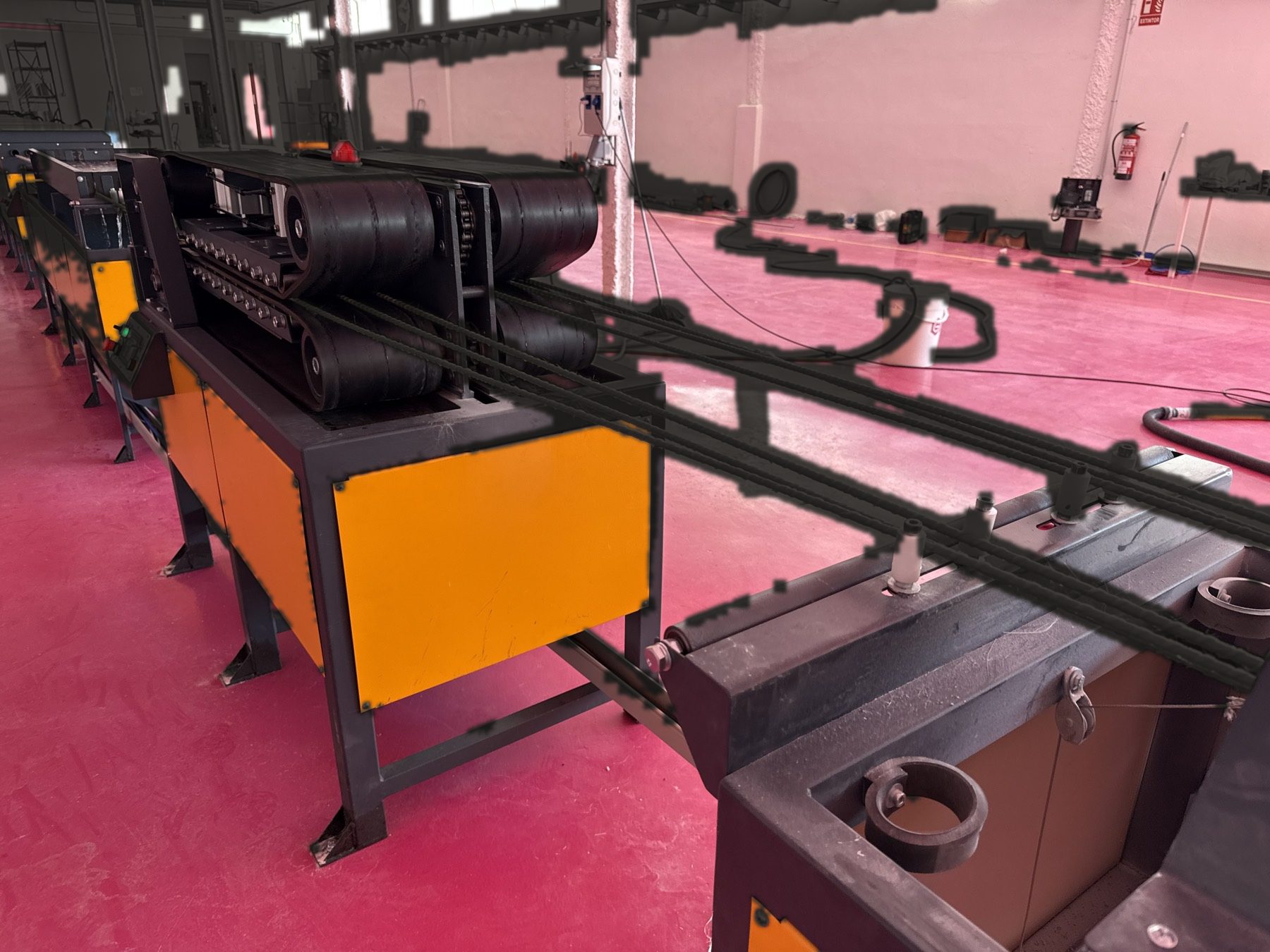
From homes to hospitals
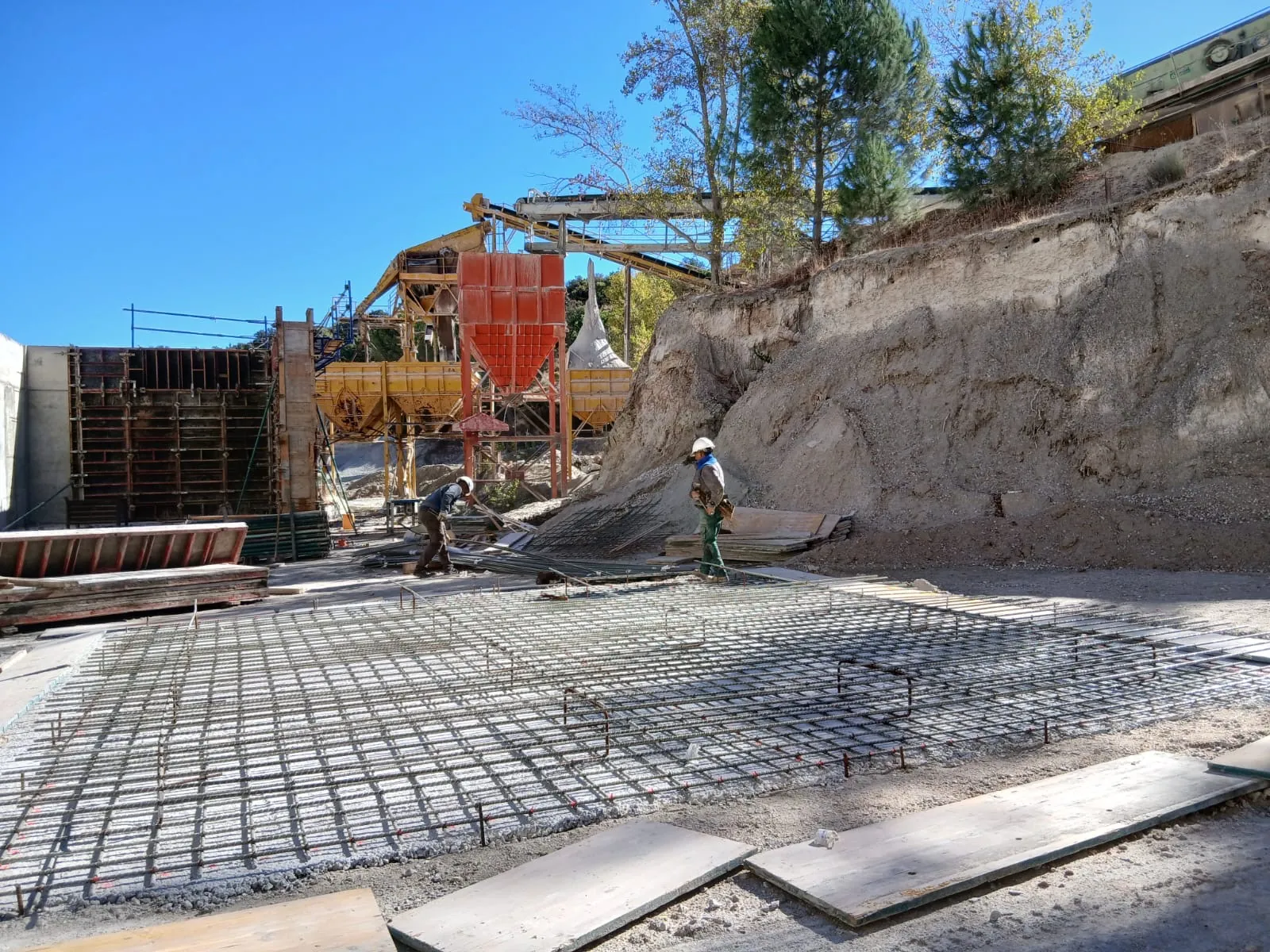
It can be used in foundations, walls, basements, floor slabs and swimming pools in housing, in the refurbishment of buildings and in public works such as bridges, tunnels, tanks and ports. And because it neither conducts electricity nor is magnetic, it also works where metal gets in the way: in hospital MRI rooms or in electrical substations. For a point-by-point comparison with steel, see GFRP rebar vs steel.
“It is a source of pride for Yecla and for the whole factory team. We have shown that a new-generation construction material can be made in Spain and pass Europe’s most demanding test. A bar that does not rust and weighs a quarter as much makes transport and building work cheaper, cuts CO2 emissions and saves families, residents’ associations and public authorities a great many repairs.”